

Planting Acorns of Generosity
Stewardship Renewal at St. Bartholomew’s Episcopal Church
In 2021, St. Bartholomew’s Episcopal Church in Pewaukee faced a reality that many congregations know too well: uncertainty, declining income, and difficult financial projections. With a potential 35% deficit looming and only a few months of reserves available, Vestry conversations became focused almost entirely on budgets and survival.
But amid those hard conversations, the people of St. Bart’s made a faithful and transformational decision.
They chose to stop thinking of stewardship as a response to scarcity and start seeing it as tending to their future and ultimately, an expression of their identity.
They called it planting acorns.

From Scarcity to Stewardship
Rather than retreat inward, St. Bart’s leadership felt called to re-center their life around generosity, mission, and trust in God’s provision.
One of their first—and most profound—stewardship decisions was this:
They committed to giving away part of their own budget.
Even while facing a deficit, the parish designated 1% of its budget to mission and outreach, with plans to increase that percentage each year.
They saw this more than a financial move. It was a theological statement. It was a bold proclamation for them: we trust. We trust in God's generosity. We trust that generosity is part of how God grows the Church.
It also modeled something powerful. For generations, parishioners had been asked to make the church a line item in their household budgets. Now, the church was doing the same—making mission a line item in its own. Stewardship was no longer simply about sustaining the institution. It became about participating in God’s work.
Creative Generosity: Building Together
To address their financial deficit, St. Bart’s launched a campaign rooted not in pressure, but in a bit of midwestern creativity. Their goal was to raise $50,000 in 18 months. And they reached it early—and exceeded it.
Through efforts like:
Working concession stands at Brewers and Bucks games
Hosting restaurant partnership nights
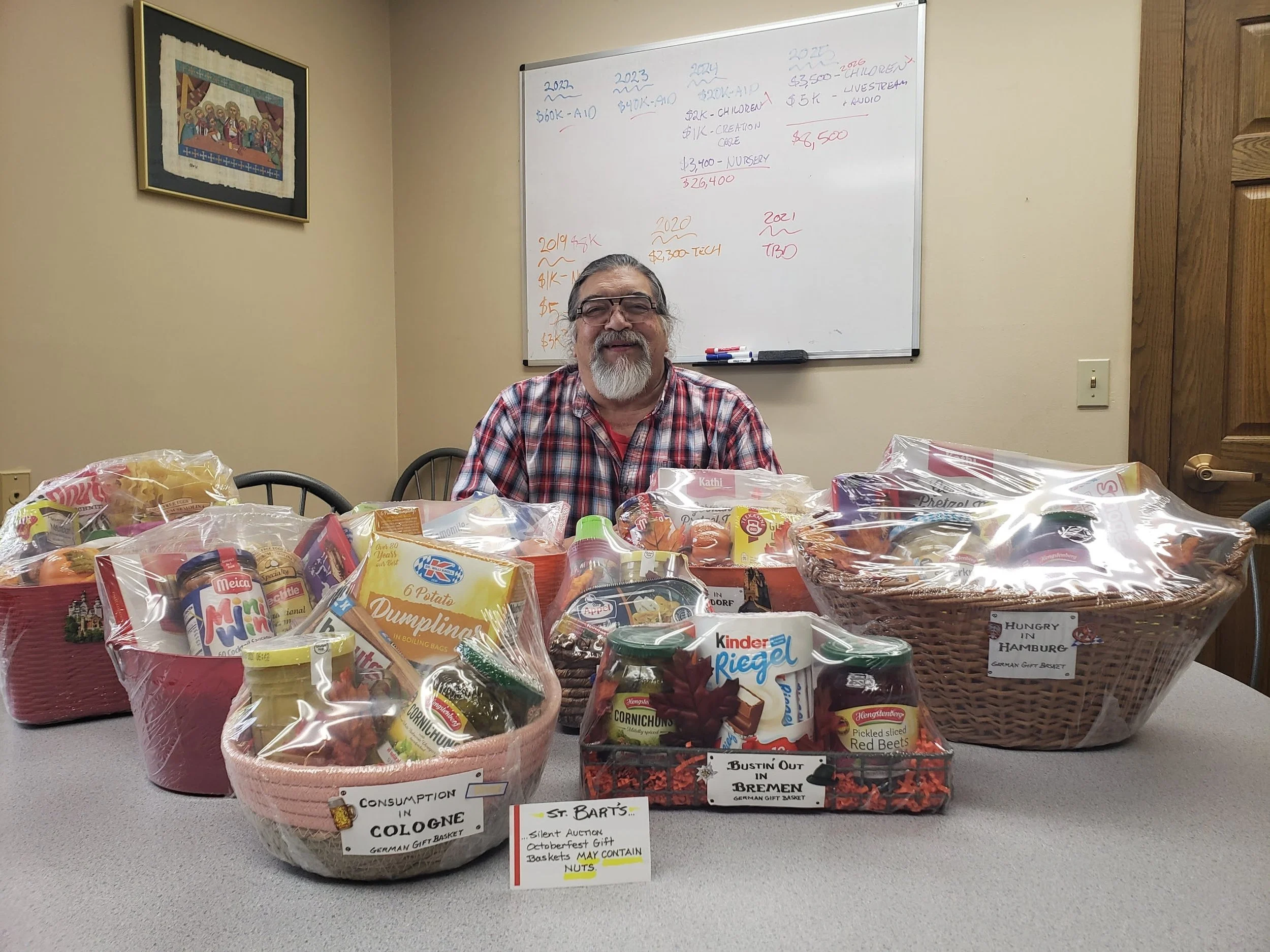
Organizing Oktoberfest celebrations
Holding silent auctions
Utilizing Thrivent Action Team grants
They raised $58,612—17% beyond their goal that year.
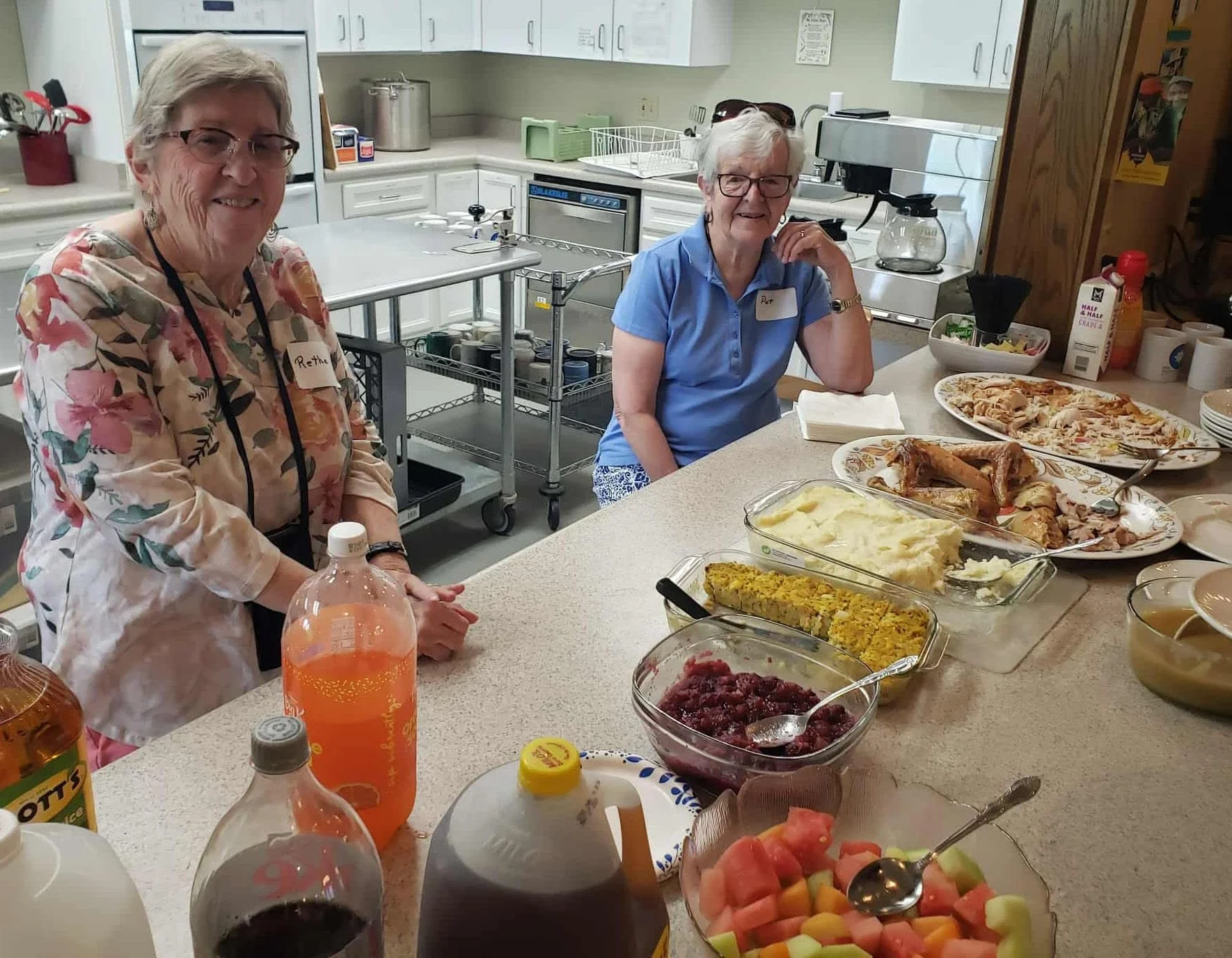
Just as importantly, these efforts allowed people to participate in stewardship in new and joyful ways. Giving became something shared, visible, and hopeful.
Perhaps the most lasting change wasn’t the dollars raised—but the culture that developed. St. Bart’s moved away from thinking about stewardship as a once-a-year campaign and instead embraced it as an ongoing spiritual practice.
They began:
Offering stewardship sermon series throughout the year
Holding stewardship campaigns in both spring and fall
Providing financial literacy workshops led by community experts
Sharing scripture studies focused on money and faith
These efforts helped normalize conversations about generosity and connect stewardship to discipleship—not obligation. Stewardship became something rooted in gratitude, trust, and shared purpose.
And the story didn’t end there.
Five years later, St. Bart’s is still navigating the same unpredictable waters that every congregation faces. Economic uncertainty shifts giving patterns. News cycles weigh heavily on hearts. People pass on who were well-loved. Community needs continue to grow and cry to be met. Global mission partners they love and support face increasing challenges of their own.
Like so many churches in 2026, St. Bart’s is not sailing on calm seas but continuing forward through changing winds and rocky waves. Their tale isn’t a clean fairy tale of simple triumph and the book closes, but one of continued resilience year after year.
What makes their story remarkable is not that the challenges disappeared. It’s that their commitment to stewardship—as a spiritual practice, not just a financial strategy, has remained a steady and creative core of their church. They continue to adapt. They continue to listen. They continue to find creative, faithful ways forward together.
St. Bart’s has become an inspiration across the diocese, not because everything became easy, but because they chose resilience. They chose creativity. They chose to meet uncertainty not with retreat, but with shared purpose.
Their journey reminds us that stewardship is not a one-time effort that fixes everything. It is an ongoing act of trust—one that helps a community remain grounded, generous, and faithful, even when the waters are still rough. Even when storms arise, and the crew on deck feels exhausted, they can look to each other and to Christ for replenishment.
And in that faithfulness, they continue planting acorns.
📖 Read More by clicking the button:
There are a lot more details to this story! If you want to learn more about this tale, click to read more in St. Bart’s leadership’s own words. Thanks to St. Barts and Stewardship MAT Convenor Tammy Wyman-Wroblewski for surfacing this story to us!
Stewardship Across the Diocese: Supporting and Sharing Good Work
Stories like St. Bart’s don’t happen in isolation. They are part of a larger culture of generosity growing across the diocese.
The Episcopal Diocese of Wisconsin Stewardship Mission Action Team exists to support exactly this kind of work.
Their ministry includes:
Sharing creative stewardship ideas between congregations
Providing tools and resources for year-round stewardship
Helping parishes connect stewardship with mission and discipleship
Encouraging practices that move from scarcity to abundance
Stewardship is not simply about budgets. It is about spiritual formation. It is about aligning our resources with our values. It is about planting acorns today that will grow into the ministries of tomorrow.
If your congregation has a stewardship story, idea, or experiment to share, the Stewardship MAT would love to hear from you.
Because across our diocese, those acorns are growing.
