

The O Antiphons
The O Antiphons are a set of seven ancient prayers used from December 17–23, each calling Christ by a different title from Hebrew Scripture: O Sapientia (Wisdom), O Adonai (Lord), O Radix Jesse (Root), O Clavis David (Key), O Oriens (Dayspring), O Rex Gentium (King), and O Emmanuel (God With Us). The word antiphon literally means “a sounding in response,” which feels fitting for Advent—a season where humanity calls out, and the liturgy answers back with something steady and beautiful.
Brief History
Historically, these antiphons were sung at Vespers and in Gregorian chant, which is basically the medieval equivalent of atmospheric soundtrack music. Picture stone chapels, flickering candles, and a single unaccompanied line of melody echoing through the dark… centuries before anyone invented ambient playlists on Spotify.
By the 8th century, the O Antiphons were already well established, and they became a sort of slow crescendo toward Christmas: one title per night, drawn from the prophets, each rich with symbolism.
The O Antiphons
The O Antiphons are seven short, ancient liturgical refrains used in the final days of Advent, each invoking Christ through a different scriptural title: O Wisdom (O Sapientia), O Lord (O Adonai), O Root of Jesse (O Radix Jesse), O Key of David (O Clavis David), O Dayspring (O Oriens), O King of the Nations (O Rex Gentium), and O God-With-Us (O Emmanuel). Together, they form a structured progression of themes that move from creation toward fulfillment, capturing the theological sweep of Advent in just a few brief lines.
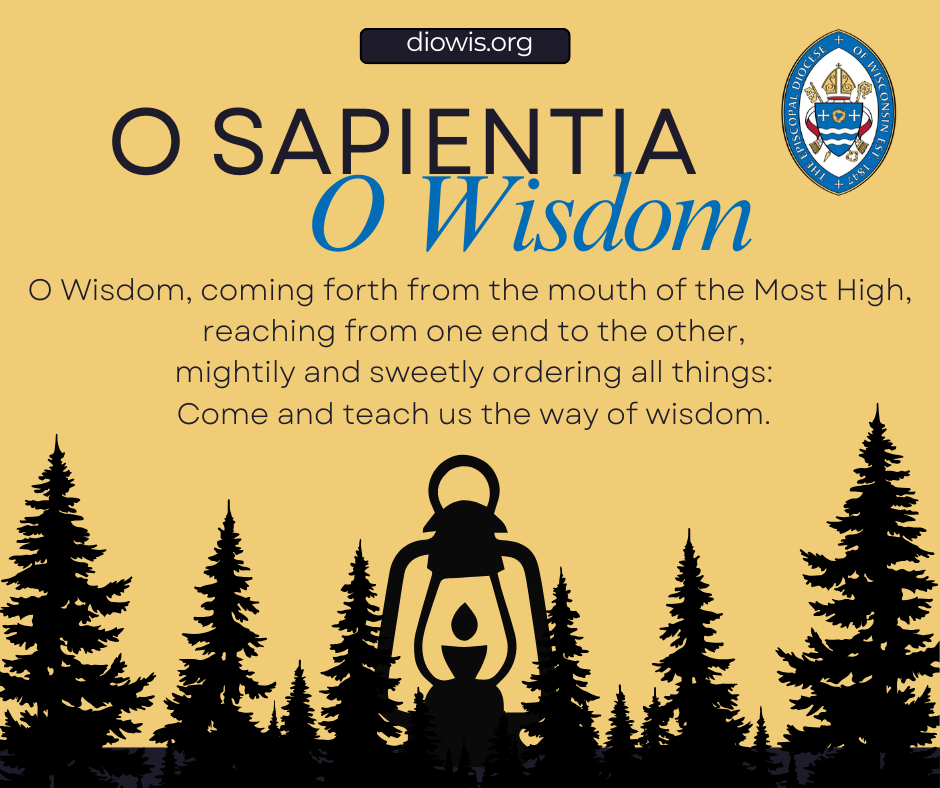

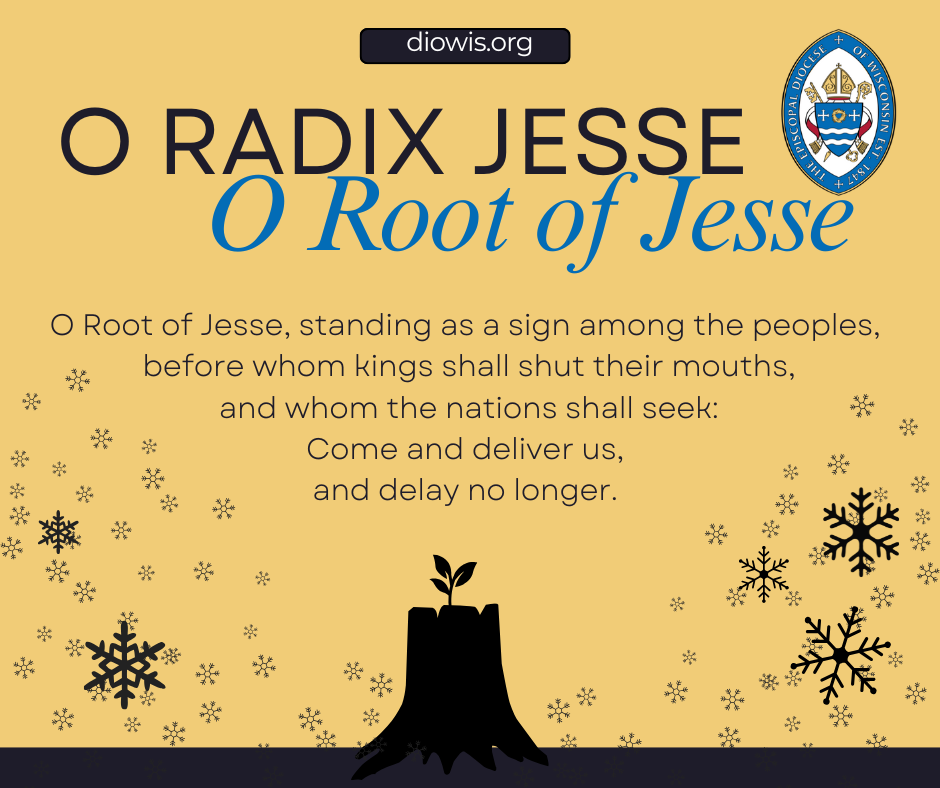
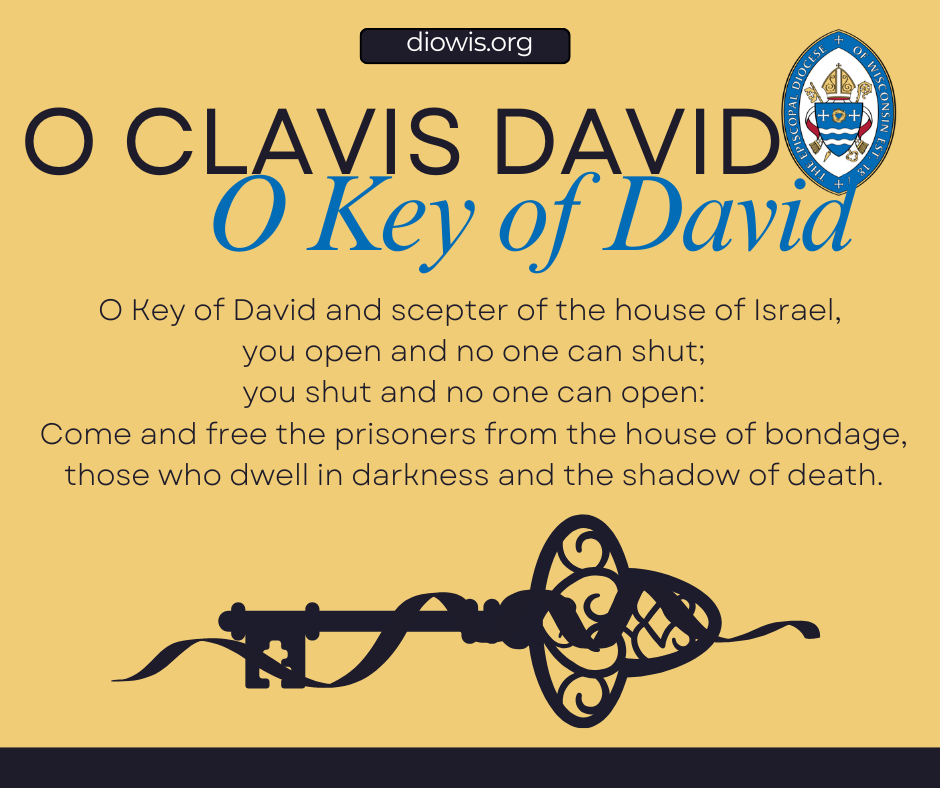

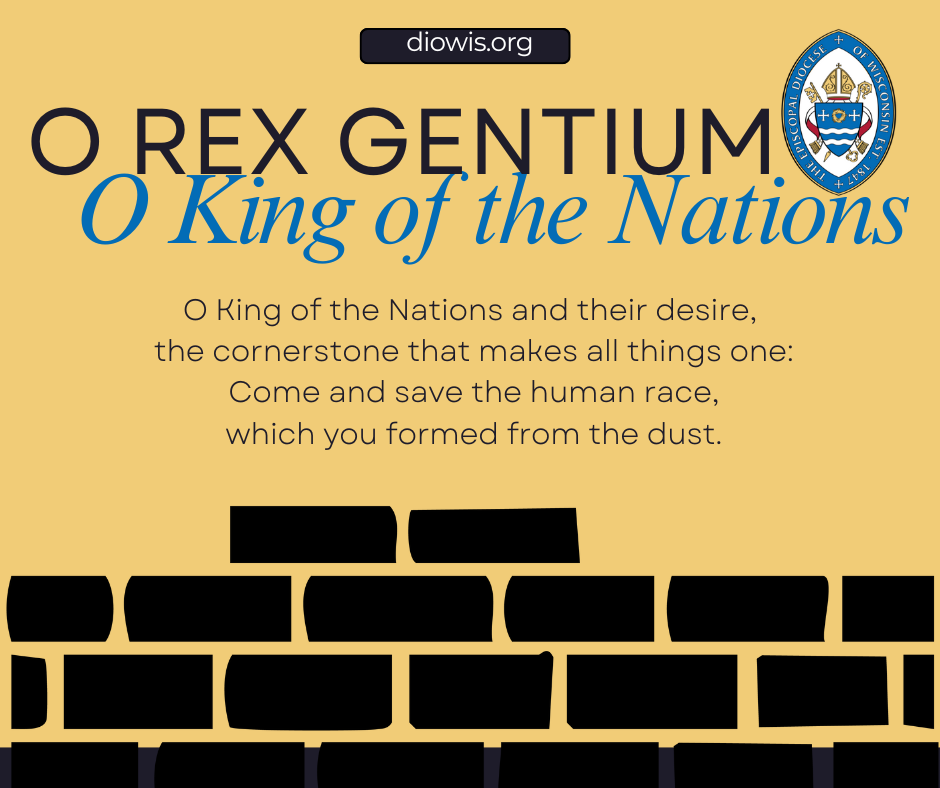

Acrostic Hidden Message
One of the most interesting features is the acrostic buried inside the sequence. Take the first letter of each antiphon in reverse order—Emmanuel, Rex, Oriens, Clavis, Radix, Adonai, Sapientia—and it spells ERO CRAS, Latin for “Tomorrow I will come.” It’s like the liturgical version of an Easter egg hidden by monks with a sense of humor and a love for wordplay. Whether intentional or just a happy theological accident, it’s been delighting church nerds for over a millennium.
Modern Legacy
The O Antiphons also have a modern legacy far bigger than most people realize: they’re the backbone of the beloved Advent hymn “O Come, O Come, Emmanuel”, which is the most popular advent hymn used today. Each verse of the hymn paraphrases one of the antiphons, preserving the titles, themes, and structure. The haunting minor melody we know today became popular in the 19th century and has since become the unofficial soundtrack of December—sung in grand cathedrals, tiny parishes, and grocery store sound systems that really should play more Advent and fewer remixes of “Jingle Bell Rock.”
Conclusion
Today, the O Antiphons offer a fascinating bridge between centuries. They’re historical, yes. But they also feel surprisingly contemporary—structured reflections for people who are juggling full lives, trying to make sense of a noisy world, and hoping for something steady to hold onto. They remind us that generations before us also navigated darkness, also counted down the days, and also needed a few well-crafted words to center themselves.
And if nothing else, it’s nice to know that medieval monks were out here embedding secret messages like “Tomorrow I will come” into their music. Truly: the original Easter eggs.
